A companion to The Bleeding Man Revisited
Teitelbaum/Ellison: 30 Years of Bad Blood
Sheldon Teitelbaum, Harlan Ellison, and the Strete investigation.
A commission to investigate a plagiarism allegation became part of a long quarrel between reporter Sheldon Teitelbaum and writer Harlan Ellison. The immediate subject was Craig Strete. Teitelbaum’s published retrospective describes how disagreement over his findings developed into a personal feud.
This companion to The Bleeding Man Revisited brings together the published investigation and Teitelbaum’s later recollections of the feud.

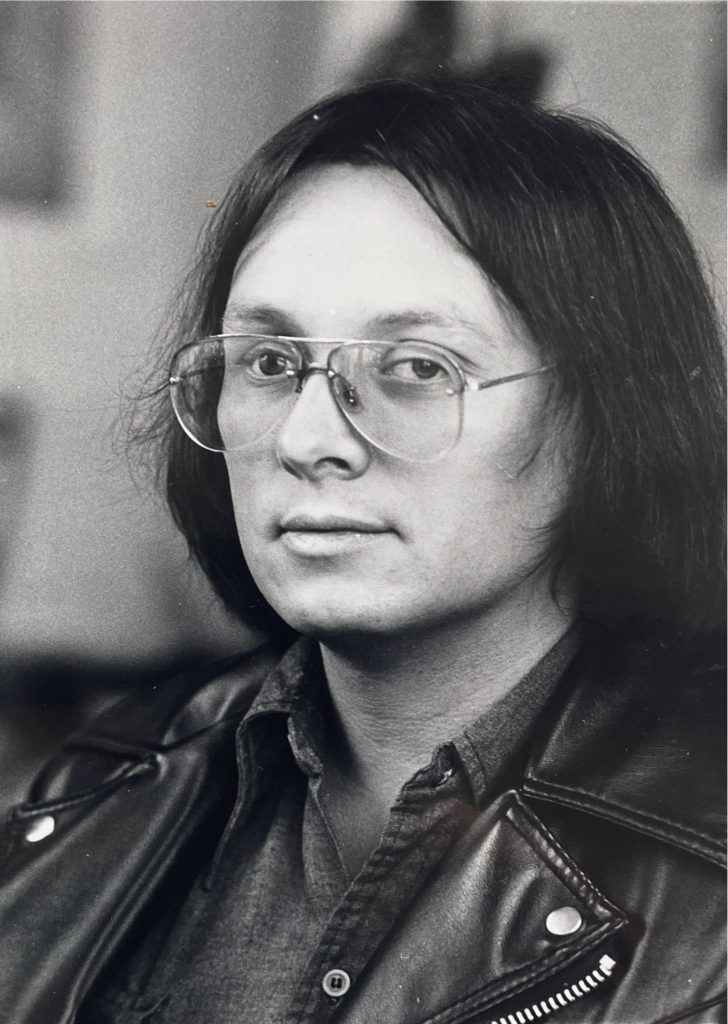
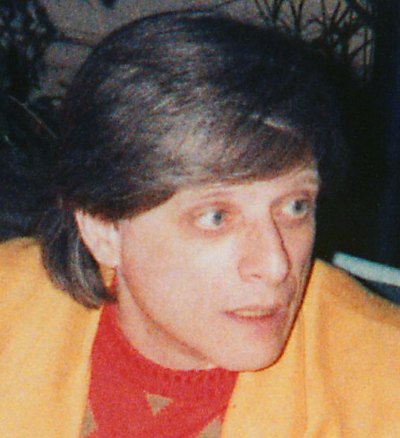

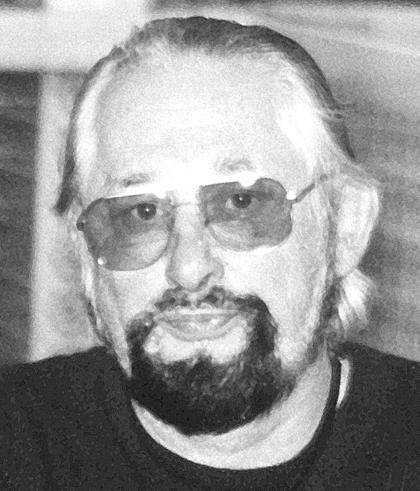
Ellison on Teitelbaum in I, Robot
“…woefully bitter, jealous and untalented Gregory Feeley or Sheldon Teitelbaum…”
The introduction names both critics in a passage imagining a railroad spike driven into a critic’s eye. Ellison presents their criticism as resentment of his failure to write novels. The passage is also discussed in The Bleeding Man Revisited. [2]
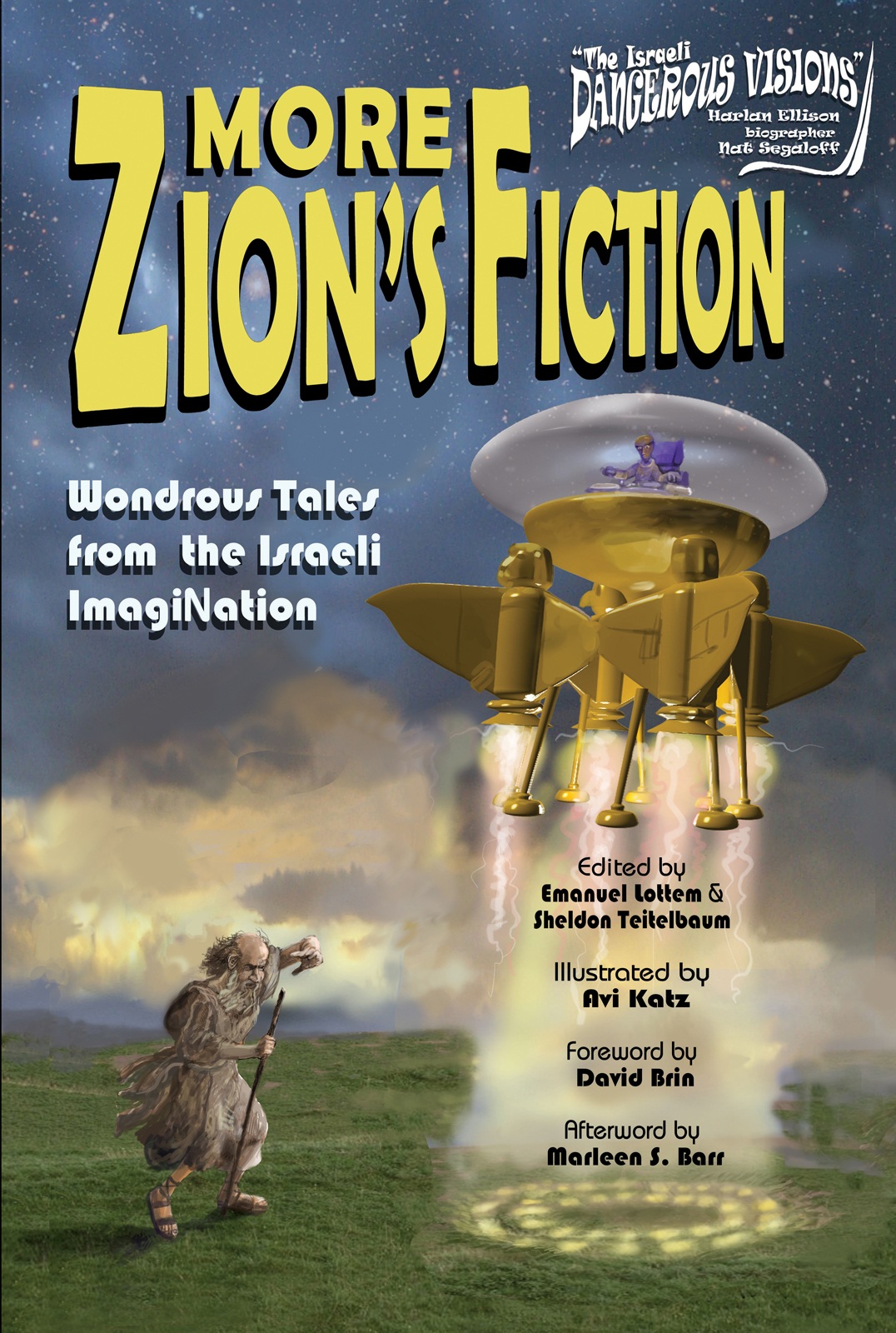
From Nat Segaloff’s definitive, Hugo-nominated biography of Harlan Ellison, A Lit Fuse
“Do you think Harlan Ellison frightened me?”
Nat Segaloff’s introduction
Another momentary adversary was Sheldon Teitelbaum, a fellow editor and writer whose 2018 collection from Mandel Vilar Press, Zion’s Fiction: A Treasury of Israeli Speculative Literature (co-edited with Emanuel Lottem) is akin to a Jewish Dangerous Visions (my term). Sheli and I connected by happenstance at Worldcon76. As with Andy Porter and any number of others, Harlan fired both barrels for what, to him, was a fight worth having. Teitelbaum’s words raise the issue of the artist versus his art. I haven’t printed the whole narrative because setting it in context would require an introduction five times longer than the letter itself:
Sheldon Teitelbaum’s remarks
I could have ignored his poisonously threatening letter to me, as I could have hung up on his threatening call (I did eventually). But what he didn’t get, and what his pals didn’t get, is that I spent six months in Sinai chasing Bedouin drug runners on a jeep. I completed infantry, squad commander and OTS in Israel. I served in Gaza and fought in Lebanon. I jumped out of airplanes. Do you think Harlan Ellison frightened me? …
The fact is, this is my fault. I stood up to a bully face to face. He resorted to all kinds of nefarious machinations. Who is more the fool?
I’ll tell you what interests me. And it’s not the first time this has. How do you assess art when it [is] produced by an abysmal human being? How do you deal with someone who held himself up as a paragon of First Amendment rights when he so brazenly denied them to any who wielded them against him? How much credence do you give, or what kind, to someone whose self-promotion is part and parcel of his place in the pantheon? How do you yourself assess someone whose contributions to the field, not at all negligible, were limited to the short story, which has in time become the tail wagged by a very long dachshund?
Introduction and quotation from Nat Segaloff, A Lit Fuse: The Provocative Life of Harlan Ellison, “The Fuse Extinguished (A Personal Addendum),” pp. 230–231. Sheldon Teitelbaum’s commentary © 2020 Sheldon Teitelbaum.
Ellipsis as published; [is] corrects a typographical error.
Teitelbaum on Ellison
“The shrying Svengali of Sherman Oaks... mistakes the volume of his voice for the stature of his character.”
The Strete investigation
In 1990, The Los Angeles Times Magazine commissioned Teitelbaum to examine the accusation that Craig Strete had stolen a novel from Ron Montana. Death in the Spirit House had appeared under Strete’s name in 1988. Montana claimed authorship.
The reporting uncovered an earlier collaboration and a dispute over which manuscript had reached the printer. Strete maintained that Doubleday had published the wrong version. Teitelbaum found a source at the publisher who substantially supported that explanation. His findings complicated the widely circulated story of one writer stealing another’s book.
The completed article did not appear in the Times. David Streitfeld drew on Teitelbaum’s investigation for his December 30, 1990 Washington Post report. Stephen P. Brown subsequently published “The Bleeding Man” in Science Fiction Eye, No. 8, Winter 1991, pages 59–63. [1]
Ellison and the investigation
In The Bleeding Man Revisited, his published 2026 retrospective, Teitelbaum describes how his investigation brought him into conflict with Harlan Ellison. His account places Ellison on Montana’s side of the dispute and traces Ellison’s hostility toward Strete to an earlier disagreement over a story submitted to The Last Dangerous Visions.
For Teitelbaum, the quarrel widened when his reporting challenged the prevailing version of the Strete affair. The disagreement continued after the article appeared. His retrospective describes repeated attacks on his work and motives, and presents the dispute as a personal feud growing out of the investigation and their other differences. [2]
The quarrel in print
In his October 1993 Los Angeles Times review of The Encyclopedia of Science Fiction, Teitelbaum criticized its treatment of Ellison as “embarrassingly fawning.” [3]
Ellison’s response in I, Robot: The Illustrated Screenplay and Teitelbaum’s remarks in Nat Segaloff’s A Lit Fuse are highlighted above. The 2026 retrospective returns to the investigation and its aftermath. [2] [4]
The original investigation and the retrospective serve different purposes. The first follows the competing accounts of a disputed manuscript. The later edition also records Teitelbaum’s account of the personal conflict that accompanied and outlasted his reporting. Both are collected under The Bleeding Man Revisited.
Published sources & related reading
- Sheldon Teitelbaum, “The Bleeding Man,” Science Fiction Eye, No. 8, Winter 1991, pp. 59–63; David Streitfeld, “Book Report,” The Washington Post, December 30, 1990.
- Sheldon Teitelbaum, The Bleeding Man Revisited, revised and updated edition, 2026. Includes the passage from Ellison’s I, Robot: The Illustrated Screenplay.
- Sheldon Teitelbaum, The Los Angeles Times review of The Encyclopedia of Science Fiction, October 8, 1993.
- Nat Segaloff, A Lit Fuse: The Provocative Life of Harlan Ellison, “The Fuse Extinguished (A Personal Addendum),” pp. 230–231. Read the introduction and Teitelbaum’s remarks above.