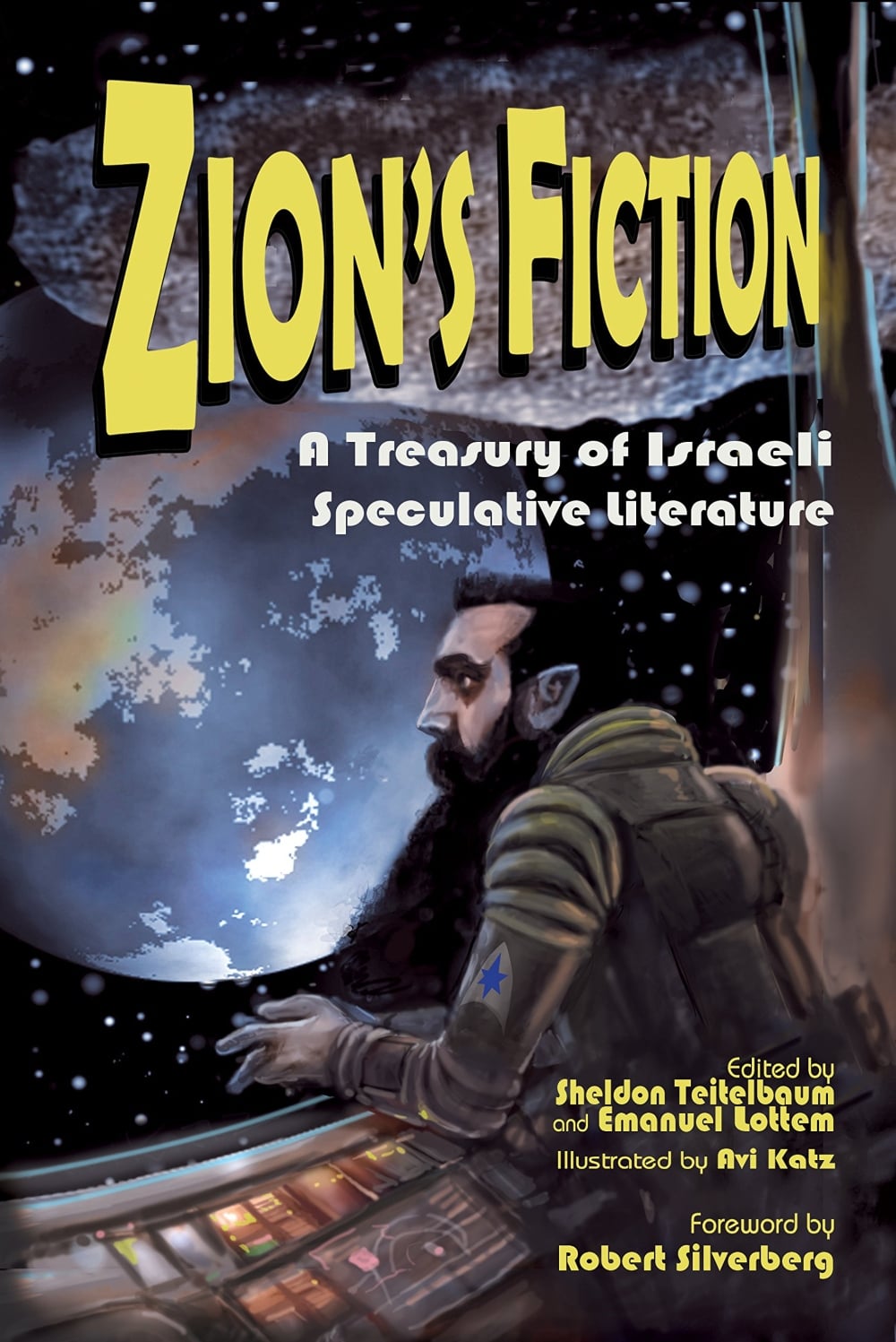
Zion’s Fiction
A Treasury of Israeli Speculative Literature
Co-edited with Emanuel Lottem
ISBN 978-1-942134-52-7
“an impressive array of 16 speculative stories”
Publishers Weekly
Editing & literary scholarship
Israeli speculative literature across languages and generations.

My co-editor Emanuel Lottem died on . A translator, editor and founding chair of the Israeli Society for Science Fiction and Fantasy, he helped generations of Hebrew readers discover the literature that brought us together.
We co-edited Zion’s Fiction (2018) and More Zion’s Fiction (2021), both illustrated by Avi Katz. Where so much of Emanuel’s work had brought the world’s science fiction into Hebrew, these books carried Israeli stories in the other direction, introducing their writers to English-language readers.
The anthologies remain a record of that collaboration and of the field Emanuel did so much to nurture. I remember him here not only as a colleague and fellow enthusiast whose contribution to Israeli science fiction extended well beyond the books bearing his name, but as a friend.
A Treasury of Israeli Speculative Literature
Co-edited with Emanuel Lottem
ISBN 978-1-942134-52-7
“an impressive array of 16 speculative stories”
Publishers Weekly
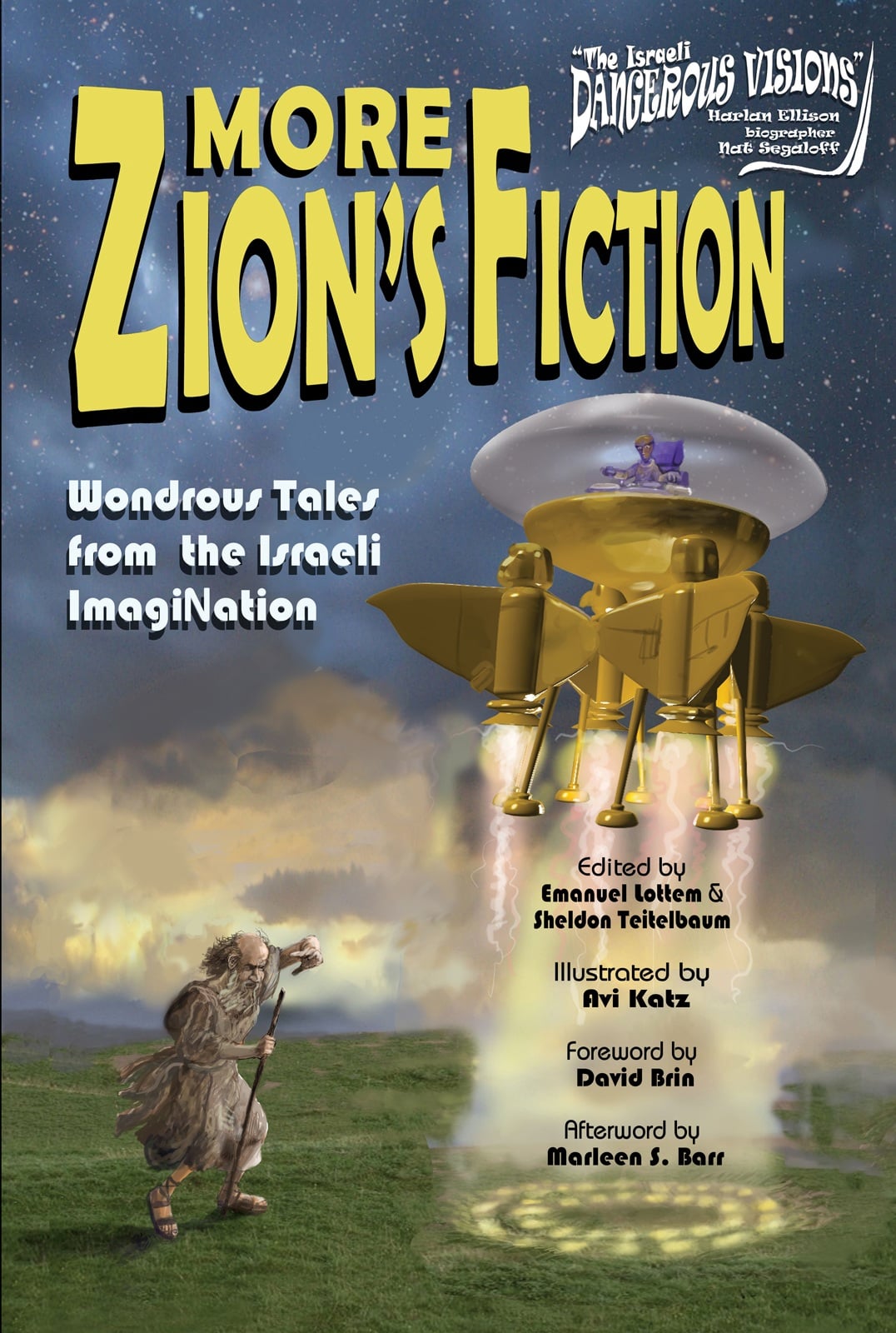
Wondrous Tales from the Israeli ImagiNation
Co-edited with Emanuel Lottem
ISBN 978-0-578-96944-2
“dynamic, engaging Israeli SFT”
World Literature Today
 Created in collaboration with the Israeli Society for Science Fiction and Fantasy.
Leybl Botwinik’s story-by-story review.

Zion’s Fiction: A Selection of Israeli SF Masterpieces. Co-edited by Sheldon Teitelbaum and Emanuel Lottem; the Japanese paperback brings together sixteen stories, Robert Silverberg’s foreword and the editors’ history of Israeli science fiction.
Japanese translators: 中村融 · 安野玲 · 市田泉 · 植草昌実 · 小川隆 · 山岸真 · 山田順子
Japanese edition · bibliographic recordイスラエルSFの芳醇なる収穫、『シオンズ・フィクション イスラエルSF傑作選』を読んだ。
“a very fine collection of short stories”
The reviewer finds the opening stories immediately compelling, with a distinctive atmosphere shaped by history, diaspora and technological change. Guy Hasson’s ‘The Perfect Girl’ and Elana Gomel’s ‘Death in Jerusalem’ are singled out as outstanding. The collection’s range extends beyond conventional science fiction into fantasy and unsettling, unfamiliar worlds.
Read the complete original reviewブックレビュー『シオンズ・フィクション』
“the strangeness of the value system is laid bare”
This detailed reading follows the individual stories rather than offering blanket praise. Tidhar’s inherited memories become both a family bond and a burden; Hareven’s ‘The Slows’ exposes disturbing assumptions about childhood and adulthood. Landsman’s ‘Burn Alexandria’ prompts reflection on preserving culture. Other entries include reservations about unresolved clues and troubling endings.
Read the complete original review『シオンズ・フィクション イスラエルSF傑作選』の感想|放浪の末の豊かなるフィクション
“After finishing it, I felt very satisfied.”
The reviewer especially enjoys Hasson’s ‘The Perfect Girl’ and Nitay Peretz’s ‘My Crappy Autumn’, finding the first psychologically layered and the second darkly buoyant. Religious ideas and diaspora history emerge through ‘The Believers’ and ‘Burn Alexandria’. Some endings feel underdeveloped, but the collection as a whole satisfies; the editors’ historical essay provides valuable context.
Read the complete original review
Co-edited by Sheldon Teitelbaum and Emanuel Lottem. The German hardcover introduces the anthology’s sixteen stories to a new readership.
The Hirnkost publishing team received the 2023 Kurd Laßwitz Special Prize, presented in 2024, for the first German anthology of Israeli science fiction.
Hirnkost book page — automatic English translationZion’s Fiction. Phantastische Literatur aus Israel
“my anthology of the year”
Hartmann praises the editors’ informative introduction and the anthology’s many voices. Hasson’s ‘The Perfect Girl’ is so intense that it alone earns her year’s top anthology distinction. She also highlights Hareven’s ‘The Slows’ and Shomron’s ‘Two Minutes Too Early’, and admires the substantial background material and Hirnkost’s thoughtful hardcover presentation.
Read the complete original reviewZion’s Fiction
“The stylistic quality is high.”
Harbach commends the strong translations and broad imaginative range, from apocalypse and time travel to fantastic encounters. He sees the anthologies as a significant opening onto Israeli literature. His praise is qualified: some shorter stories seem insufficiently developed, and he would have welcomed more twentieth-century selections to complement the contemporary emphasis.
Read the complete original review, pp. 34–43Israeli Speculative Fiction Before & After Oct. 7
Stories of grief, survival, identity and imagined futures. An anthology in development, edited by Sheldon Teitelbaum.

Behind the scenes of the Star Trek films, with contributions by Teitelbaum.
Great Jewish personalities and institutions of the twentieth century, selected from Present Tense magazine.
Includes “What Is ‘Israeli’ about Israeli Speculative Fiction?”, by Sheldon Teitelbaum and Emanuel Lottem.
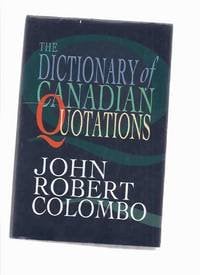
Includes Sheldon Teitelbaum’s Canada/Canaan passage from “Continental Shifts” (Los Angeles Times, 1990).
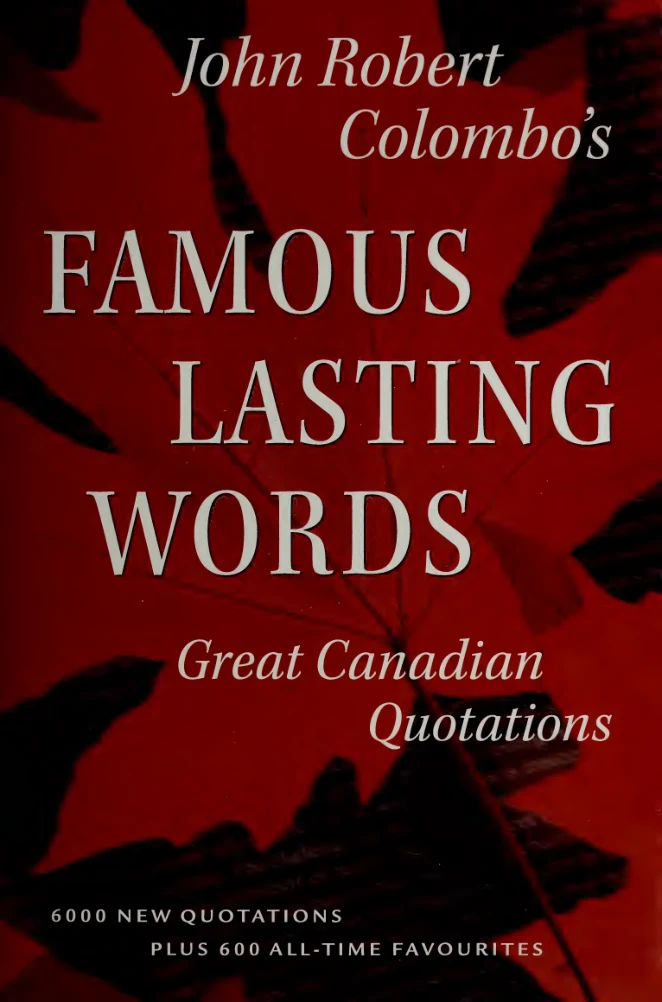
Great Canadian Quotations
Three passages from Sheldon Teitelbaum’s “The Call of the Wired,” plus Leonard Cohen’s words from Teitelbaum’s 1992 interview.
“There is a joke told frequently in Israel about how the Jews first received title to their strip of land on the eastern shore of the Mediterranean. Moses was a horrendous stutterer. After leading his people out of Egypt, he suggested they head for a roomy, resource-rich and trouble-free country called Canada. His newly freed followers, however, couldn’t quite make out his instructions. They thought he said Canaan.”
“Indeed, without technology—and without the almost imponderable ingenuity that permitted human beings to fashion a tech-dependent existence with little more than bits of bone, skin, moss, and ice—no one in their right or wrong mind could possibly live here.”
“Canada’s Northwest Territories boasts a land mass a third the size of the United States, yet you could squeeze its population (of which aboriginals make up half) into a large stadium. Its climate is almost as inhospitable as that awaiting the first human colonists on Mars.”
“Baffin Island lies four and a half hours northeast of Yellowknife by air. This makes it closer to Danish Greenland, a few hundred kilometres directly northeast, than to the nearest Canadian metropolis, Montreal, roughly 2,000 air kilometres to the south—in other words, as far away from Montreal as Miami Beach.”
“I thought of myself as specifically not having a career but, rather, as having some kind of destiny.”