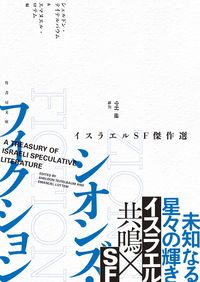
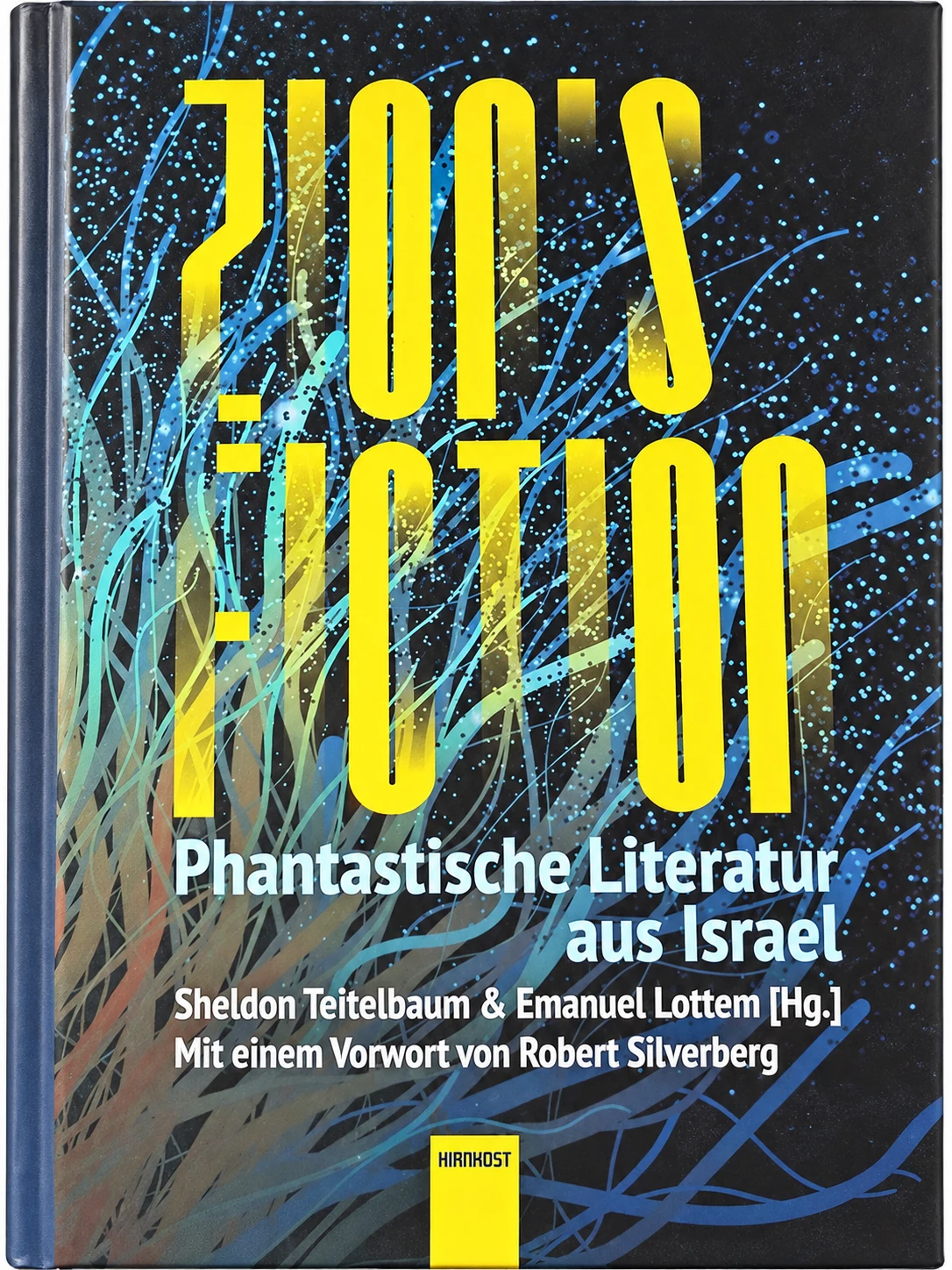
The reviewer finds the opening stories immediately compelling, with a distinctive atmosphere shaped by history, diaspora and technological change. Guy Hasson’s ‘The Perfect Girl’ and Elana Gomel’s ‘Death in Jerusalem’ are singled out as outstanding. The collection’s range extends beyond conventional science fiction into fantasy and unsettling, unfamiliar worlds.
“the strangeness of the value system is laid bare”
This detailed reading follows the individual stories rather than offering blanket praise. Tidhar’s inherited memories become both a family bond and a burden; Hareven’s ‘The Slows’ exposes disturbing assumptions about childhood and adulthood. Landsman’s ‘Burn Alexandria’ prompts reflection on preserving culture. Other entries include reservations about unresolved clues and troubling endings.
The reviewer especially enjoys Hasson’s ‘The Perfect Girl’ and Nitay Peretz’s ‘My Crappy Autumn’, finding the first psychologically layered and the second darkly buoyant. Religious ideas and diaspora history emerge through ‘The Believers’ and ‘Burn Alexandria’. Some endings feel underdeveloped, but the collection as a whole satisfies; the editors’ historical essay provides valuable context.
Zion’s Fiction. Phantastische Literatur aus Israel
“my anthology of the year”
Hartmann praises the editors’ informative introduction and the anthology’s many voices. Hasson’s ‘The Perfect Girl’ is so intense that it alone earns her year’s top anthology distinction. She also highlights Hareven’s ‘The Slows’ and Shomron’s ‘Two Minutes Too Early’, and admires the substantial background material and Hirnkost’s thoughtful hardcover presentation.
Harbach commends the strong translations and broad imaginative range, from apocalypse and time travel to fantastic encounters. He sees the anthologies as a significant opening onto Israeli literature. His praise is qualified: some shorter stories seem insufficiently developed, and he would have welcomed more twentieth-century selections to complement the contemporary emphasis.