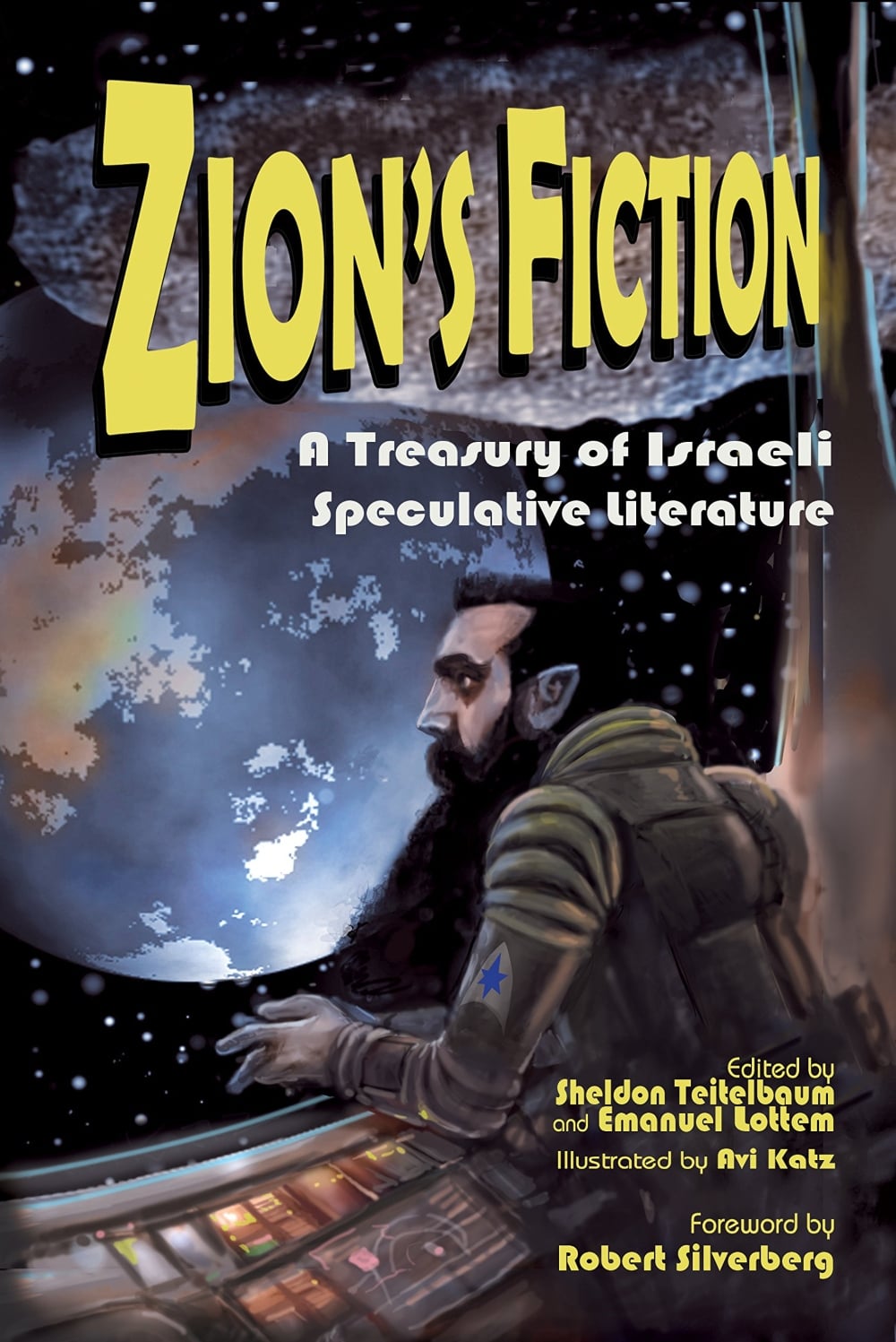
Zion’s Fiction
A Treasury of Israeli Speculative Literature
Co-edited with Emanuel Lottem
ISBN 978-1-942134-52-7
“an impressive array of 16 speculative stories”
Publishers Weekly
An anthology in development
Israeli Speculative Fiction Before & After Oct. 7
On October 6, 2023, Israeli speculative fiction already knew how to imagine catastrophe. For decades its writers had explored war, occupation, siege, terrorism, messianic temptation, military memory, surveillance, technological dread, family fracture and exile. Then October 7 happened. The stories did not become obsolete. They became newly audible.
The Elephant in the Airlock brings together Israeli science fiction, fantasy, surrealism and speculative literature written before and after October 7. Its central question: what happens to a culture’s imagined future when that future is violently interrupted?
Edited by Sheldon Teitelbaum, with a foreword by Larry Niven, an afterword by Valerie Estelle Frankel and interior story illustrations by Avi Katz.
October 7 changed the ambient pressure around Israeli science fiction. Catastrophe, failed defences, captivity, displacement and threatened extinction had long belonged to its imaginative vocabulary. After the attacks and the war that followed, those devices acquired a different proximity to ordinary experience. The distance between an invented disaster and a reader’s own losses had contracted.
That change affects older stories as well as new ones. A work need not have anticipated October 7 to become harder to read in quite the same way afterward. Institutional secrecy, unanswered signals and assurances of safety now invite questions that earlier readers might have passed over. Meanwhile, writers working after the catastrophe must find forms for experiences that can make familiar dystopias seem almost restrained. Satire, fantasy and estrangement remain available, but their emotional weight has changed.
Three stories in the proposed collection show different aspects of that shift:
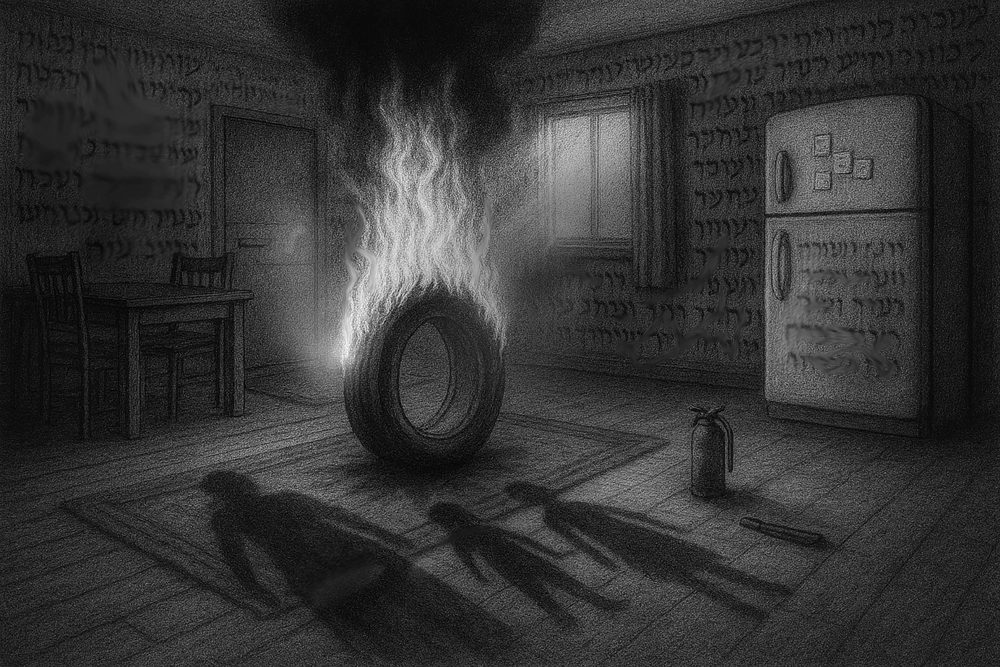
A future bureaucracy sends citizens into prophetic trances to gather intelligence that might postpone humanity’s extinction. Its narrator’s faith in the system breaks when she sees children in cages. Read after October 7, the story’s questions about foreknowledge, secrecy and institutional trust acquire a sharper edge: who knows what, who is protected, and what happens when confidence in those charged with preventing catastrophe collapses? The story has not changed; the reader’s circumstances have.
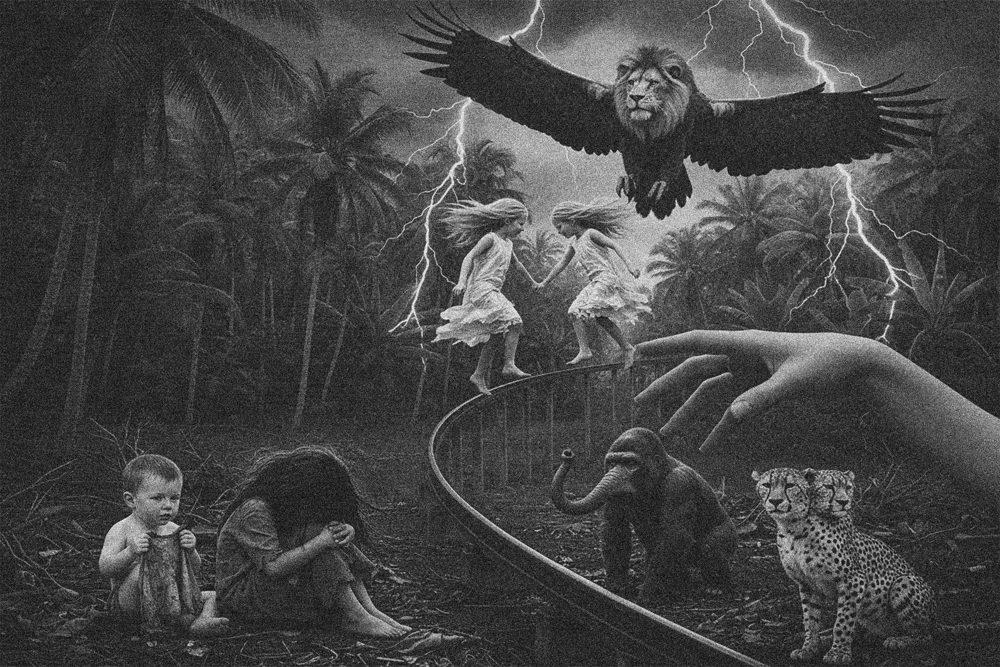
A survivor inhabits a therapeutic pocket universe intended to contain memories of massacre. Those memories keep breaking through. Here, speculative fiction gives traumatic recurrence a physical form: the apparently ordinary world malfunctions because the event cannot be kept outside it. The imagined refuge becomes another place where the catastrophe returns.
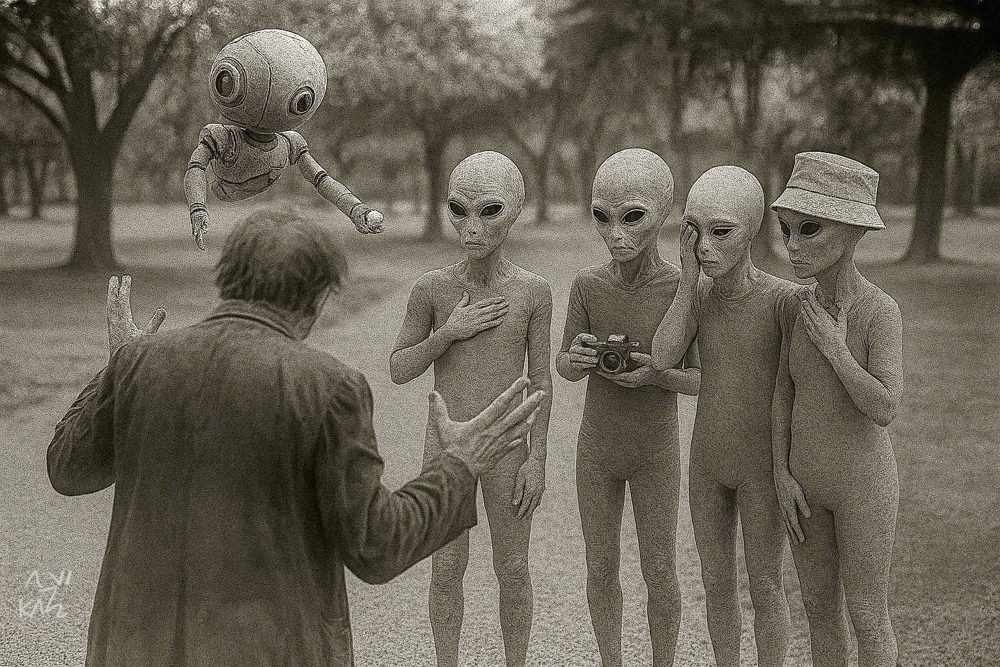
A man takes visiting aliens through the ruins of Ramat Gan, offering ice pops, civic landmarks and the story of Romeo and Juliet. The familiar device of alien visitors now unfolds amid the remains of home. Its comedy carries the stubborn persistence of ordinary manners: even after destruction, someone still explains, tells stories and offers strangers something to eat.
These responses coexist with sharply different political and moral perspectives. The anthology follows the stories chronologically, allowing readers to hear what persists and what changes across October 7. Its final selection remains subject to permissions, translation and editorial decisions.
Approximately two-thirds of the proposed stories require translation from Hebrew. The project calls for literary translators attentive to each writer’s voice, black humour, military language, religious references and speculative inventions. Existing English translations will also be reviewed.
The anthology builds on Zion’s Fiction and More Zion’s Fiction, co-edited with Emanuel Lottem. Those books introduced English-language readers to the breadth of Israeli speculative literature. This collection examines how that literature’s relationship with the future has changed.
The project is in active development. A detailed proposal, working contents and sample material are available for publisher inquiries.
Request the book proposalA Treasury of Israeli Speculative Literature
Co-edited with Emanuel Lottem
ISBN 978-1-942134-52-7
“an impressive array of 16 speculative stories”
Publishers Weekly
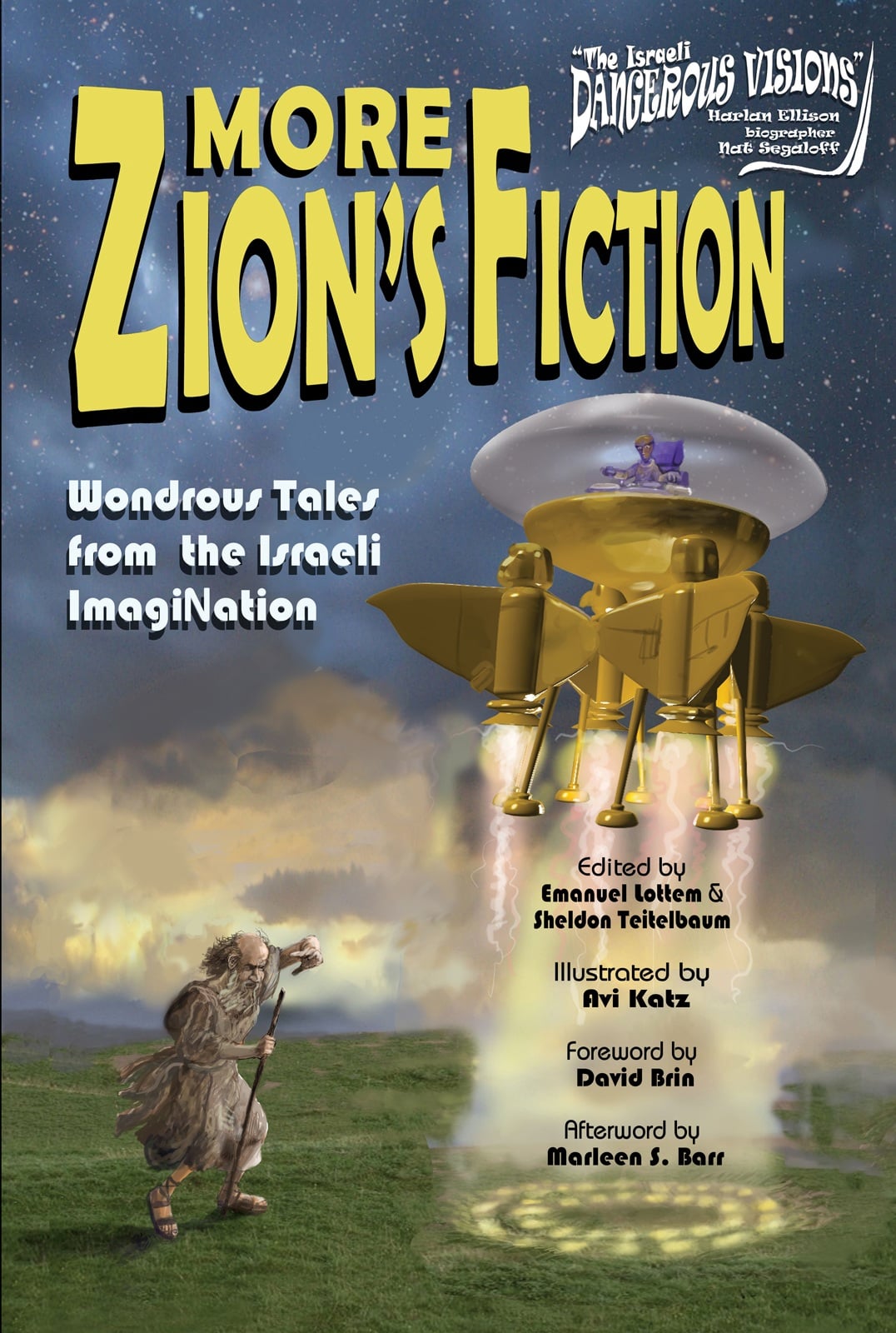
Wondrous Tales from the Israeli ImagiNation
Co-edited with Emanuel Lottem
ISBN 978-0-578-96944-2
“dynamic, engaging Israeli SFT”
World Literature Today
 Created in collaboration with the Israeli Society for Science Fiction and Fantasy.