Star Trek: The Next Generation
Reporting at the launch of a new cast and production era.
Dossier 04 · Film, television & Jewish culture
Star Trek reporting, interviews & essays, 1987–2015.


A connected body of reporting on authorship and succession: the creator, producers, writers and actors who made Trek larger than any one of them. The Jewish pieces return to the same reporting through cultural inheritance and personal memory.
Reporting at the launch of a new cast and production era.
The panoramic feature: a fictional future, a workplace and a business.
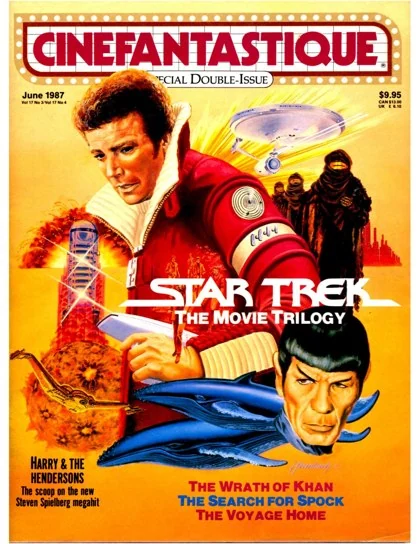
The covers illustrate the subjects of the pieces. Cover dates and article dates are shown separately.
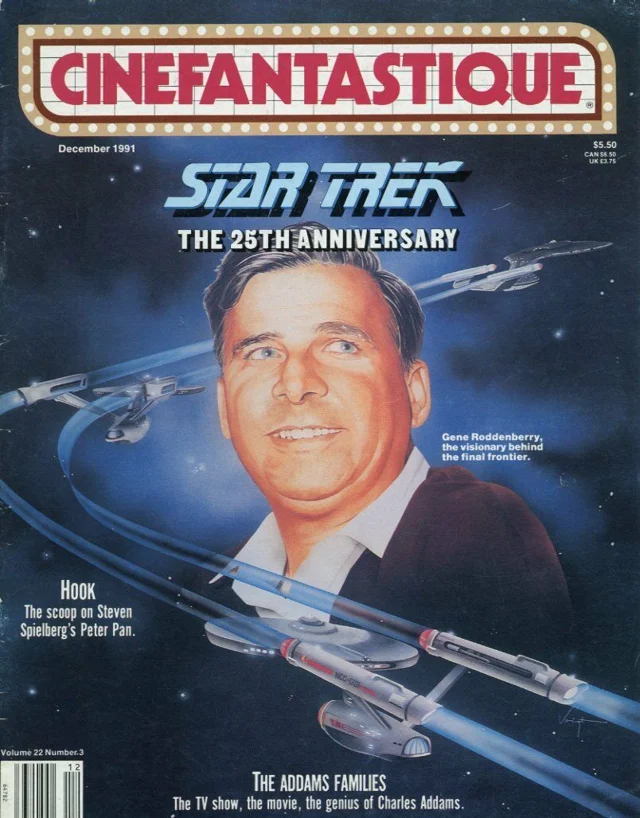
The creator on philosophy, control and the people who would carry Trek forward.
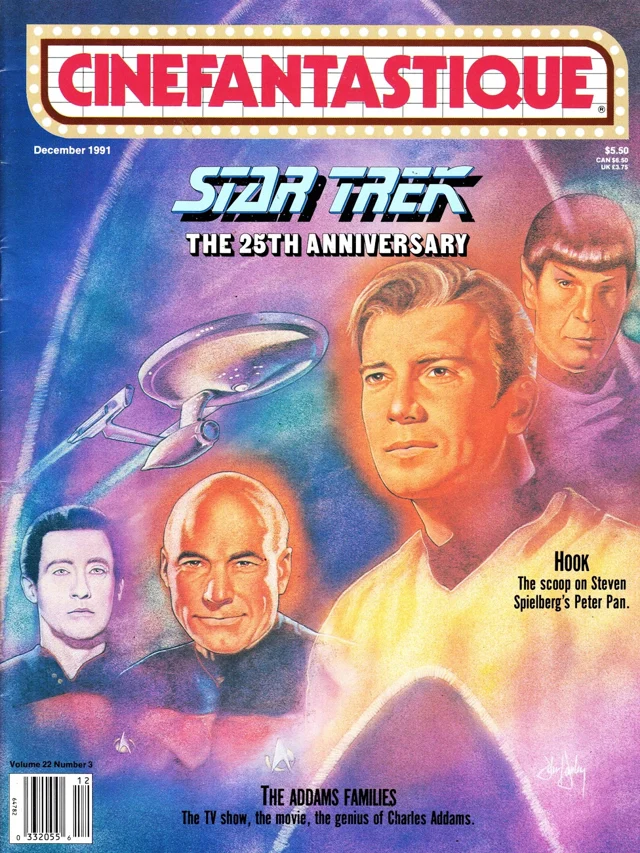
The producer’s view of sustaining the film series.
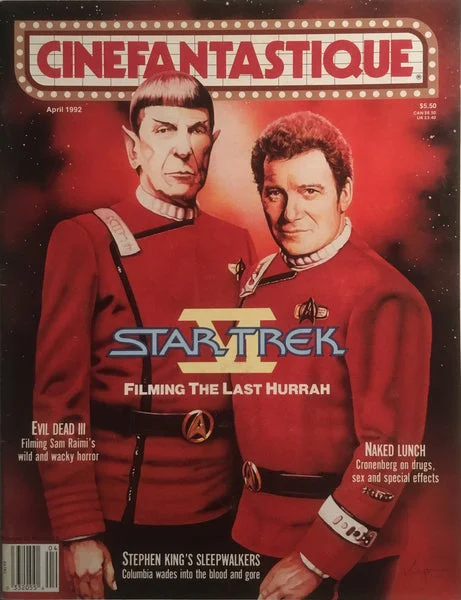
The original cast at a moment of transition.
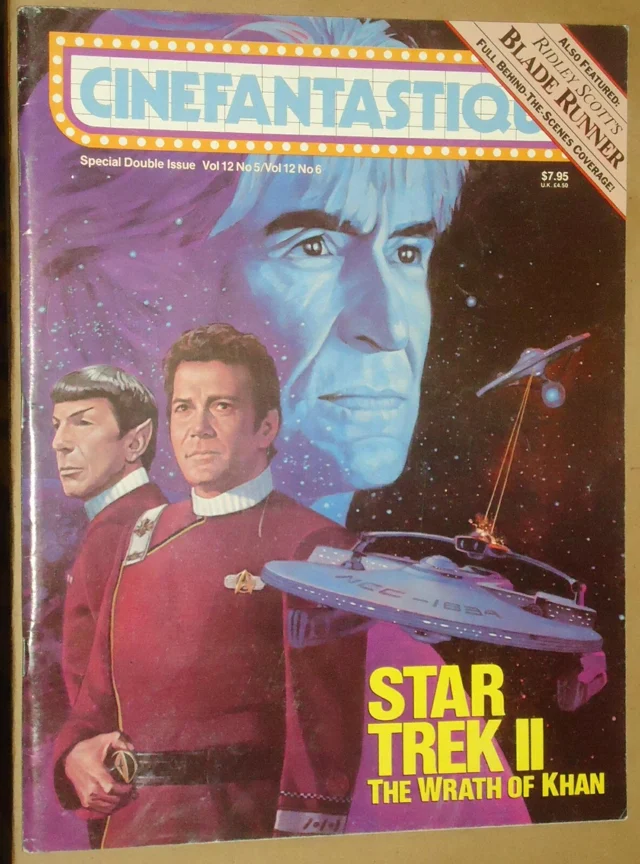
The writer-director as an irreverent renovator.
An additional contemporary item, preserved under its archive title.
A profile of Mark A. Altman. The archive also preserves a CFQ reprint; this is one article.

The concluding retrospective: fandom, reporting, Roddenberry, Nimoy and Jewish identity.
Roddenberry supplies an originating philosophy; Bennett and the studio make it sustainable; Meyer renovates it; actors, writers, journalists and fans dispute its meaning. The franchise develops through several custodians, not a single author.
The Enterprise is both a utopian vessel and a Paramount set. Roddenberry is both the creator and an aging producer; Meyer is both myth-maker and hired fixer. The reporting crosses between imagined ideals and the practical labor of making television and film.
The 1991 pieces record a transition while its outcome was still uncertain. The Jewish inquiry emerges from that same reporting, becomes explicit in The Jerusalem Report, and reaches its retrospective synthesis in My Jewish Trek. By 2015, the Montreal fan, the Hollywood reporter and the Jewish-affairs journalist have entered the same frame.